by
Last verified: 13 October 2026. We checked these Erasmus Mundus Journalism scholarship details against the Mundus Journalism programme’s official admissions pages.
The Erasmus Mundus Journalism scholarship for the 2027–2029 programme covers both years of tuition and pays €1,400 (one thousand four hundred euros) a month for up to 24 months. Only 10 to 15 students get it. Applications open on 1 November 2026 and close on 10 January 2027 at 13:00 CET, and one application covers both admission and the scholarship.
Erasmus Mundus Journalism scholarship at a glance
| Detail | 2027–2029 programme |
|---|---|
| Monthly scholarship | €1,400 for up to 24 months |
| Tuition | Fully waived for scholarship holders |
| Insurance | Free health and liability insurance |
| Number of scholarships | 10 to 15, for the highest-ranked candidates |
| Applications | 1 November 2026 to 10 January 2027, 13:00 CET |
| Results | 1 March 2027 |
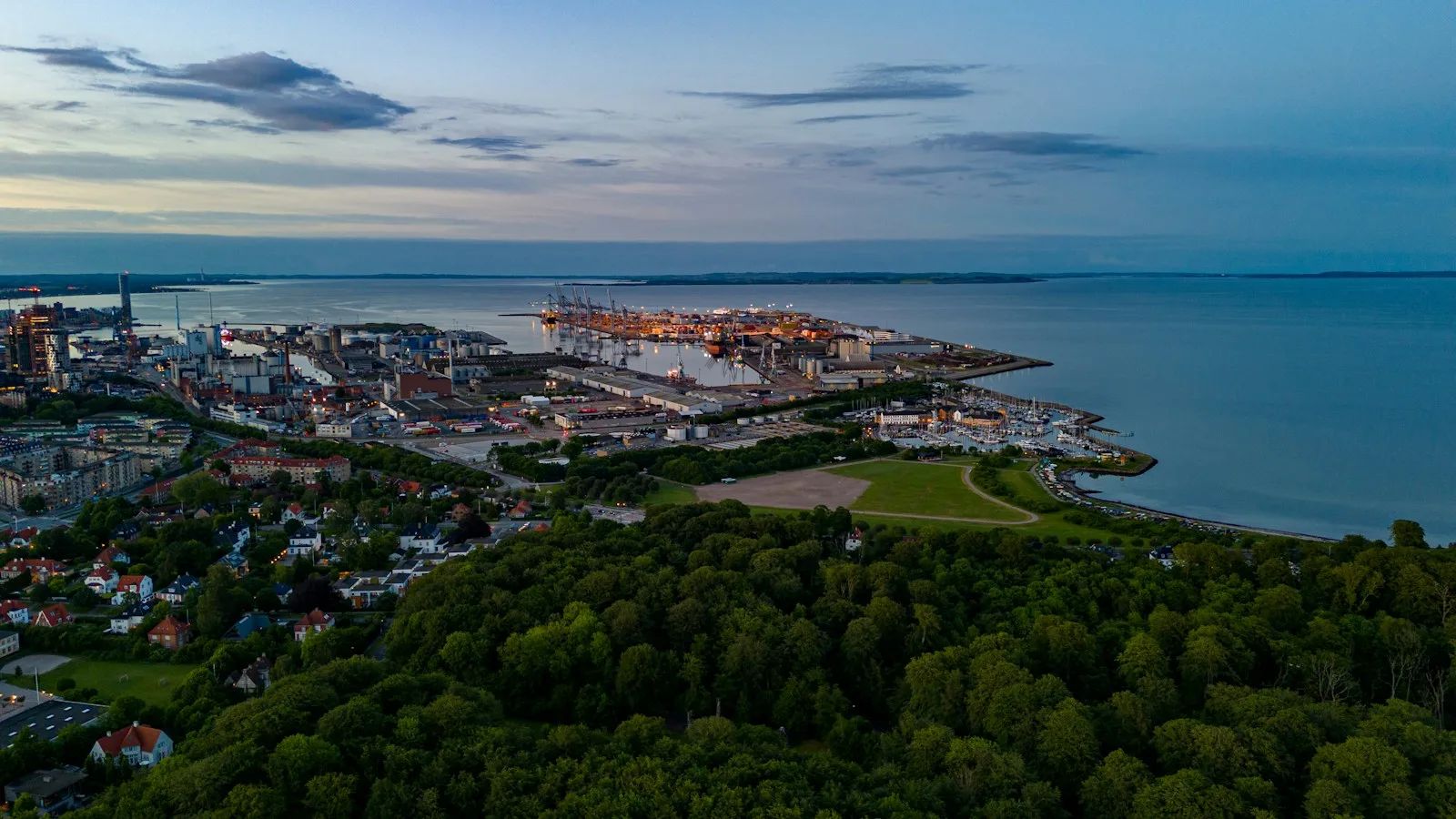
| Programme start | 1 September 2027 in Aarhus, Denmark |
The programme says it receives up to 700 applications a year and admits about 80 to 90 students. So most admitted students pay their own way.
What the €1,400 a month has to cover
The monthly payment is meant for housing, food, travel, visas and any other costs. There’s no separate travel or settling-in allowance, so budget carefully, especially for the first month.
If you’re admitted without a scholarship, the tuition for the 2027–2029 programme is €9,000 (nine thousand euros) for year one for non-EU students and €12,000 (twelve thousand euros) for year two. EU/EEA students pay nothing in year one under Danish law, and €12,000 in year two.
How to apply for the Erasmus Mundus Journalism scholarship
You make one application between 1 November 2026 and 10 January 2027. Upload a single PDF (100 MB maximum) with these sections, in this order:
- the application form, which you can only download during the application round;
- a CV of no more than two pages;
- graduation certificates and transcripts from all your studies, with certified English translations where needed;
- signed proof of your journalism work period and three work samples;
- an English test at CEFR C1 or above, with the verification code entered in the online form;
- two signed reference letters on letterhead, one academic and one professional, addressed to the Consortium.
Upload your passport copy separately in the online registration form, not inside the PDF. You also need an AU ID (Aarhus University) first; the programme suggests waiting at least 30 minutes after creating it.
Worked example: Adaeze’s application timeline
Adaeze is a reporter in Lagos with two years at a national newspaper.
- In October 2026 she books an English test that reports CEFR C1 and asks her editor and a former lecturer for reference letters.
- She picks three strong published pieces as work samples and gets a signed letter confirming her employment dates.
- On 1 November she creates her AU ID, downloads the form and builds her PDF in the required order.
- She submits well before 10 January 2027, then waits for results on 1 March.
If she wins, she gets €1,400 a month and pays no tuition. If she’s admitted without the scholarship, she’d face €21,000 (twenty-one thousand euros) in tuition over two years as a non-EU student, so she also applies for other funding as a backup. See our Erasmus Mundus scholarship guide for more programmes.
Frequently asked questions
Is there a separate application for the Erasmus Mundus Journalism scholarship?
No. Your admission application is also your scholarship application.
Do I need journalism experience?
Yes. The application asks for proof of your journalism work period and three work samples.
Where does the programme start?
In Aarhus, Denmark, on 1 September 2027.
Official sources
- Mundus Journalism – Tuition, scholarships and stipends
- Mundus Journalism – Application process
- Mundus Journalism – Admission requirements
Programme details can change. Always confirm on the official Mundus Journalism website before you apply.